Jimmy Cliff- Acting vs Music
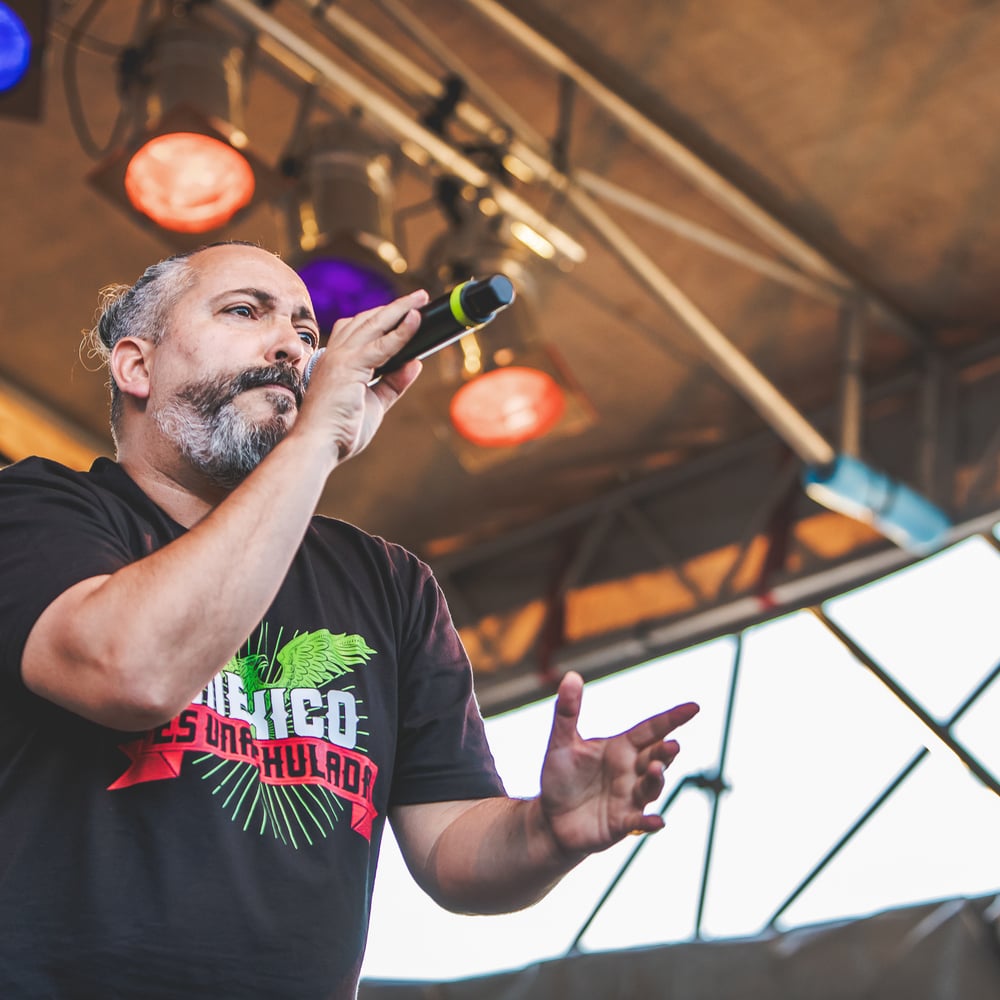
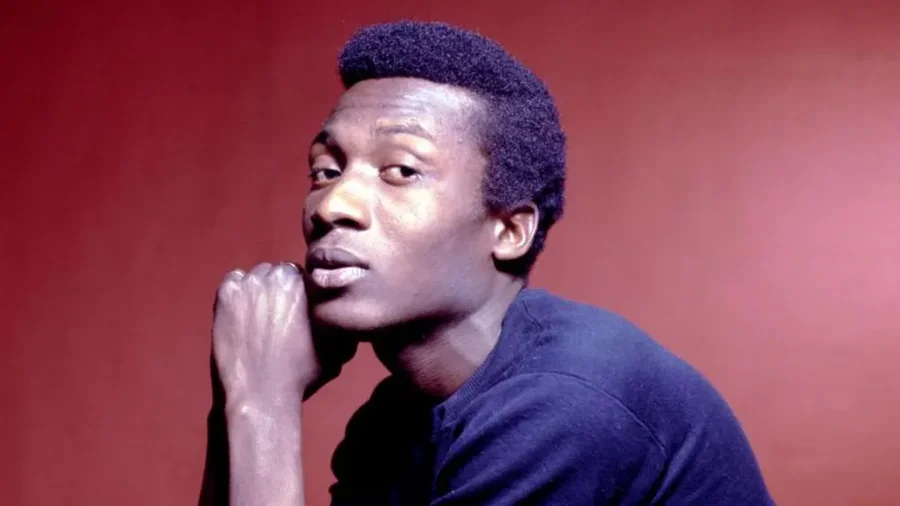
Jimmy Cliff sits on a couch at the back of a massive touring bus, exhausted. The Victoria Curling Club has just been turned into sacred ground, as Jimmy Cliff and his One-ness Band made a rare stop in Victoria, the first in six years since his ’93 appearance. Besides being tired from his high-energy performance, the 51-year-old Cliff attempted to satisfy the hordes of people of all different ages and races who rushed to the bus to congratulate him and get autographs. In the midst of all the confusion, Cliff briefly spoke about how he developed his voice and stage presence before the days of the late 1950s and early 60s and before he became noticed.
“Acting gigs in school and choir singing gigs in church sent him on his way to performance. ‘My parents were Christians, so I sang in church. I also did acting in school that combined singing and acting,’ says Cliff.
Cliff prefers acting to singing, which is surprising considering how powerful his music comes across. This is not to say that he would have stopped making positive-reggae if he was able to act more; however, the enormous amount of money, man-power and workload filmmaking needed to make movies may have been what deterred him from becoming a full-blown actor (and perhaps because of the time period of the 1960s, and his own racial background). Cliff has acted in a few films. Besides his star performances in The Harder They Come and Bongo Man, he has had supporting roles in Club Paradise and Marked for Death.
“It’s not as easy to make movies as it is to write songs and have them recorded. That’s why I pursued becoming a musician more,” explains Cliff, who is in the midst of production for a new film. “It’s a sequel to the film The Harder They Come. We’ll probably go into production sometime soon, so it’ll probably come out in 2000 or something,” he says.
While fans were there to witness this current portion of Cliff’s career, they didn’t stop to leave the impression an audience of a mere 1500 could give him for the first time in years.
Touring with Jimmy Cliff that evening was the legendary Clinton Fearon of the Boogie Brown Band, who had performed for the Wailers for nearly eighteen years. Fearon performed several songs from his last album Walls of a System, while his trio lured the crowds’ attention and warmed the atmosphere. Cliff then stepped onto the stage embracing the microphone and smiling the entire time. After the first song, Fearon joined the Boogie Brown Band in harmony with the crowd of more than 1200 that saluted his trademark rubber rise as the time ticked towards the moment when Jimmy Cliff would come onto the stage. Although the legend of Jimmy Cliff was alive and well through rumours and talk, it wasn’t going to take a live, flesh view of the great one to confirm the truth and fulfil the prophecies of the posters and news stories that led up to the sacred moment.
Finally Jimmy Cliff and his Oneness Band came onto the stage to the welcoming screams and shrieks of appreciation from the crowd.
Just like the music Cliff has sung for over thirty years, his songs used other musical influences but most of them still had a reggae format. The musical influences were cleverly blended in with his entire show. In the first set, he sang some of his was-that-ska-or-R&B influences, which included “Keep The Family Humanitarian”. He also threw in some classics that included The Harder They Come, “Vietnam” and “Many Rivers To Cross,” which spirituality hit the lower abdominal of many. After the first encore, he sang some slow songs that showcased his amazing vocal range. It also got the crowd swaying with their hands in the air to the accompanied lighters swaying from side to side. As well, Cliff tossed in a Brazilian Samba beat song called “Samba Reggae,” which charmed the crowd into some Latin dancing and styles. Following his second and final encore he rounded out the right with an all roots-Jamaican set, some of which were off Humanitarian.
It is fitting he ended the show this way since he decided to record Humanitarian in Jamaica. After all it was Somerton, Jamaica where Mr. James Chambers developed into the Jimmy Cliff of today giving us three decades of doctrine of socially motivating reggae music.
Posted: Nov 25, 2025 Originally Published: Oct 1, 1999